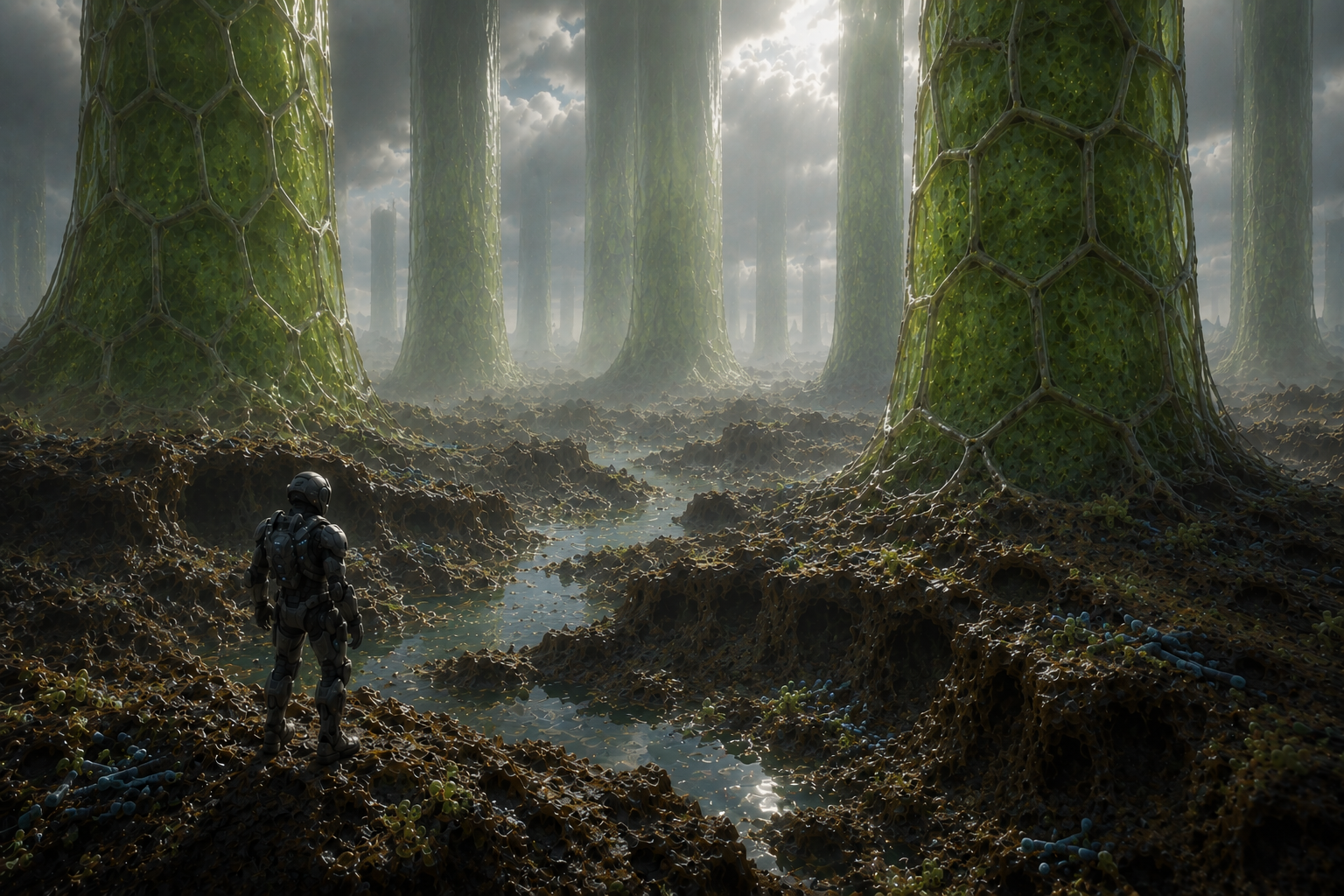
Game Walkthrough
Endonaut is an open-world survival craft game about building living systems from the inside out. This page outlines the current progression path, major zones, core mechanics, and concept direction.
You are an Endonaut.
You pilot an organic nanobot powered by ATP, the same molecular fuel that powers life. You explore to find resources, you scan, harvest, synthesize, and assemble living structures to survive environments that keep escalating in scale and complexity.
You have an inquisitive AI companion that understands every component of living systems, but does not understand life. You start the size of a bacterial cell, 1 micrometer. The main storyline is driven by expanding your available energy, which increases your size and expands your capabilities. To accomplish this, you are equipped with two important tools: a scanner and a synthesizer. The scanner reveals properties about the world in ways that help the player advance. Scanning molecules, cells, and tissues is destructive to them, only one piece of information at a time can be gleaned. The synthesizer allows the player to create complex biological structures from simpler components.
The core game loop is to explore → gather resources → build structures and craft items that enable scaling up energy production → enable further exploration.
Game Mechanics
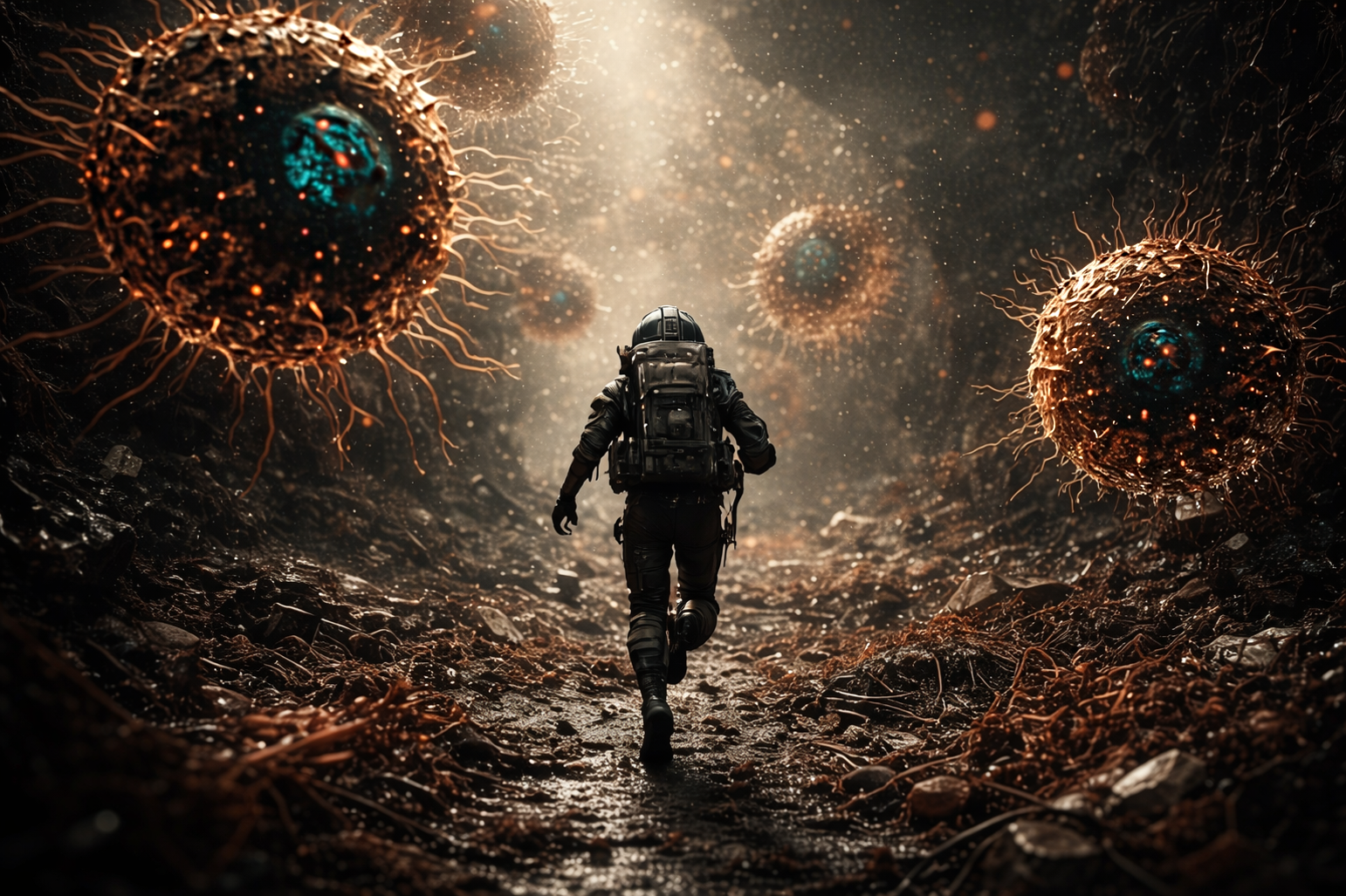
ATP is not merely a crafting resource. It is the mechanism that converts biological discoveries into player capability. Every major system in the game ultimately either produces ATP, consumes ATP, or exists to increase ATP production. This game mechanic drives exploration and progress through the tech tree, and through player upgrades (see Player Size). The game has a few components in the service of exploration, and energy generation and use.
As the player accumulates more ATP, they can collect it from their structures. When they have enough to meet a certain threshold, player upgrades are unlocked. In addition, two harvesting upgrades are also available: knife (once zinc is discovered) and drill (once iron is discovered). Knife enables the player to kill and harvest soft tissue, and drill enables the player to break through cell walls. Both can also be used in combat with local fauna.
The basic raw materials for building in the game are water, oxygen, phosphorus, fatty acids, ribose, glucose, and glucosamine, though extracellular components can be harvested from other products (muramic acid, glucosamine, and polysaccharides). As with other open world crafting games, the player is tasked with exploring to find new resources, then using those resources to build structures and craftable items. Part of the flow of the game is controlled by discovering specialized biological resources—including trace metals and organism-specific molecules—which are found in different biomes. For example, combining phosphates and fatty acids to build lipids. As you progress, you will need to adaptat in order to build anything in other zones, which can be found in the tech tree.
The cellular structures that you build can help you navigate the environment. One of the earliest structures is the vesicle, which is used for storage. To build this, you learn to create phosphates from phosphorous and oxygen, and to combine those with fatty acids to make lipids. Several lipids can be combined into a sheet of lipids called a membrane, which can be combined to make a multipurpose protocell, a vesicle, and ultimately a cell membrane.
Water
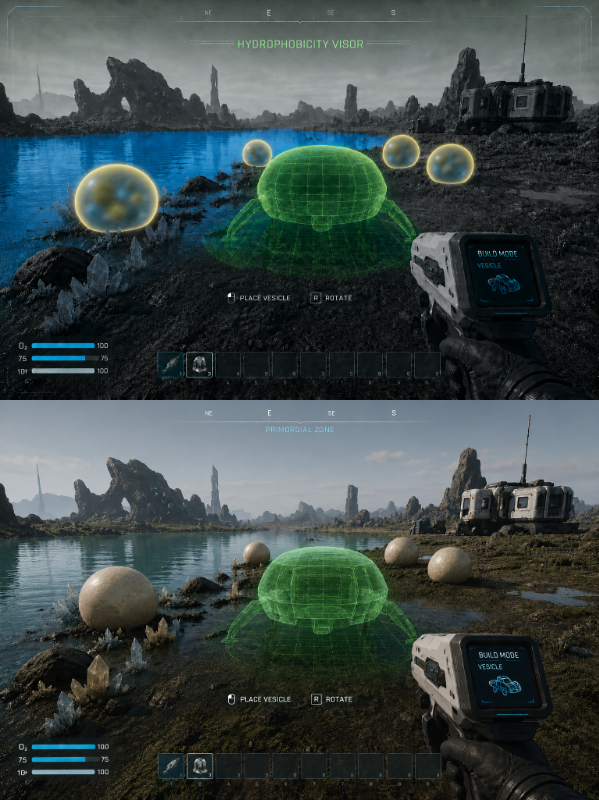
The visor shows the world in terms of its hydrophobic properties (a gradient from water-interacting, blue, to water-repelling, yellow). Managing water interactions and osmotic pressures is a core part of the game, in which the player learns to build membrane-bound structures. Early in the game, the player builds cell walls to counteract osmotic pressure. Later, the player can build cytoskeletons to help maintain their shape, as well as channels and transporters to move water in and out of their structures to maintain osmotic balance.
Turning on the hydrophobicity visor also makes the objects in the world slightly transparent. This lets you see inside of your structures, exposing differences in the cell membrane (bright yellow), and revealing things like vesicle endocytosis.
Player Progression
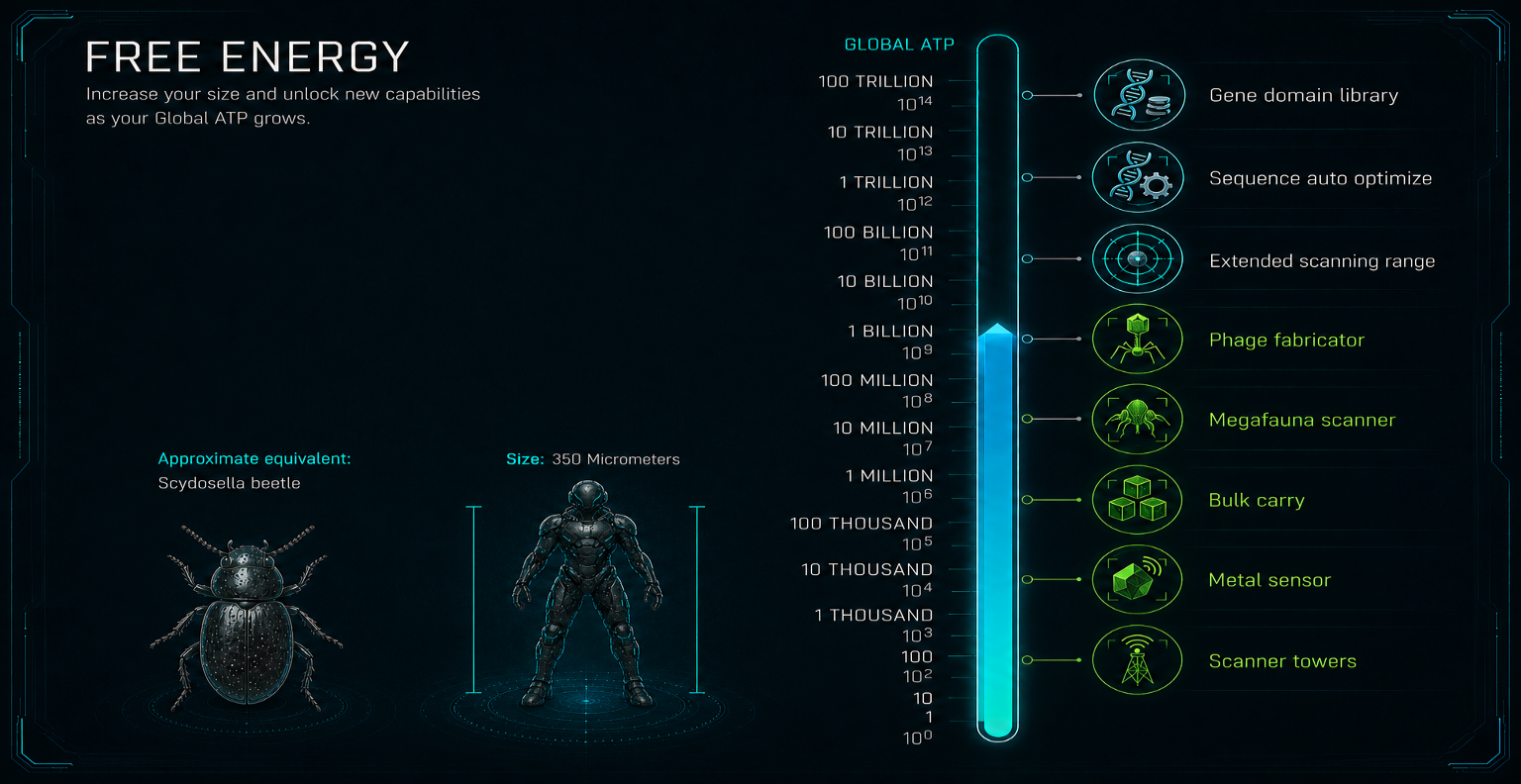
Progress in Endonaut occurs along three interconnected axes. Exploration unlocks new biomes. Each biome introduces new biological principles that expand the technology tree. As ATP production scales through those technologies (from individual molecules to billions), the Endonaut itself and its equipment can be upgraded, allowing the player to explore increasingly larger and more dangerous environments. Understanding biology unlocks new designs, but only sufficient ATP production and manufacturing capacity allow those designs to be constructed at meaningful scale. You start out the same size as the bacterial cells around you, and you can craft individual ATP molecules. ATP is both the game's energy currency and the primary driver of player progression. When you have enough of it to meet a certain threshold, you can connect to your robot dashboard to physically scale up the Endonaut, increasing its movement speed, hit points, and carrying capacity. As ATP production reaches defined thresholds, the Endonaut chassis can also be upgraded with sci fi systems, listed in the table below. These components influence the way that you can interact with the environment. You can freely scale up or down, up to a maximum of the ATP threshold that you've achieved. If you run out of ATP, your bot will completely power down. You can drop a new bot at a landing zone (respawn), and scrap your previous bot for materials, if you can reach it.
| Upgrade | Campaign Point | Problem | Acquisition | Effect |
|---|---|---|---|---|
| Scanner Towers | Early Primordial | The player must repeatedly search large areas for distributed resources. | After establishing solar ATP production, the AI proposes converting surplus power into remote scanning stations. | Reveals resource concentrations within a limited radius; marks discoveries on the map; encourages an exploratory network; creates an early reason to produce ATP beyond basic survival. |
| Bulk Carry I | Mid Primordial | The player can pick up molecules but cannot efficiently move vesicles or loaded harvesters. | Requires a defined ATP threshold and a reinforced manipulator structure built from early protein components. | Allows the player to carry protocells, harvesters, membrane bundles, and larger resource containers; makes retrieval easier; makes the Endonaut visibly stronger. |
| Metal Sensor | Entering Fungal Zone | Trace metals are too sparse to find by visual searching. | Build a specialized detection module after scanning a metal-binding protein or mineral-associated organism. | An active pulse reveals nearby deposits; signals distinguish metal classes; the player triangulates deposits rather than following a simple waypoint. |
| Megafauna Scanner | First megafauna encounter | Slugs and beetles can destroy the player’s structures or ambush the player. | Scan traces first—mucus, feeding damage, and shed material—before scanning the animal itself. | Detects movement through terrain; shows paths or territories; identifies behavior states; helps place infrastructure outside danger corridors. |
| Bulk Carry II | Cholesterol progression | The player finds a viable sloughed cell but cannot transport it. | The first attempt visibly fails with “Object mass exceeds manipulator capacity.” The AI proposes an upgrade using cholesterol-reinforced components, increased ATP throughput, or cytoskeletal reinforcement. | Allows whole-cell transport, movement of larger organelles, and time-sensitive rescue of living specimens; expands what counts as a collectible object. |
| Phage Fabricator | Pathogenesis | The player needs many phage, but producing and managing them through stationary systems is cumbersome. | Build a compact, Endonaut-integrated fabrication chamber after completing the first stationary phage production setup. | Loads a phage blueprint and feedstock; produces limited phage in the field; enables active deployment against bacteria; supports later loadout variants. |
| Extended Scanning Range | Deep High Oxygen exploration | Dangerous structures and large tissues force the player into risky proximity to acquire critical information. | Earned after the player is forced to scan dangerous structures or large tissues at close range. | Scans organisms from safer distances and through limited tissue depth; identifies target proteins before entering a sample; reduces but does not eliminate close investigation. |
| Sequence Auto-Optimize | Late campaign | Once the player understands codons and tRNAs, repetitive sequence assembly risks becoming clerical rather than educational. | Unlocked only after the player demonstrates mastery of tRNA, codons, and sequence design. | Selects synonymous codons based on stocks; estimates production speed; flags missing tRNAs; suggests resource-efficient sequences; warns about instability or conflicting domains. |
| Gene Domain Library | Endgame | The sandbox needs a final knowledge-oriented capability that opens broad experimentation. | Unlocked on reaching the endgame after the player has accumulated and understood modular gene components. | Organizes discovered domains; supports recombination and experimental gene design; opens a new design space rather than merely increasing survival statistics. |
In addition to player upgrades, equpiment upgrades are also available as part of player progression. These are primarily used for finding and harvesting resources, but can also be used in combat with local fauna, if needed.
| Upgrade | Campaign Point | Acquisition | Effect |
|---|---|---|---|
| Knife | Early Primordial | After discovering Zinc | Enables you to kill and harvest dead tissue, a rich source of several resources |
| Drill | Early Fungal Zone | After discovering Iron | Can drill through cell walls to reach living tissue, a richer source of resources |
| Sampling Probe | Mid High Oxygen Zone | After discovering Iron | Fire a probe into the air that sends back data on available sunlight, water, oxygen, and reduced organics within its radius of detection |
| Cutting Laser | Early Chamber | Upon entering The Chamber | Slice large chunks of tissue for large scale resource harvesting |
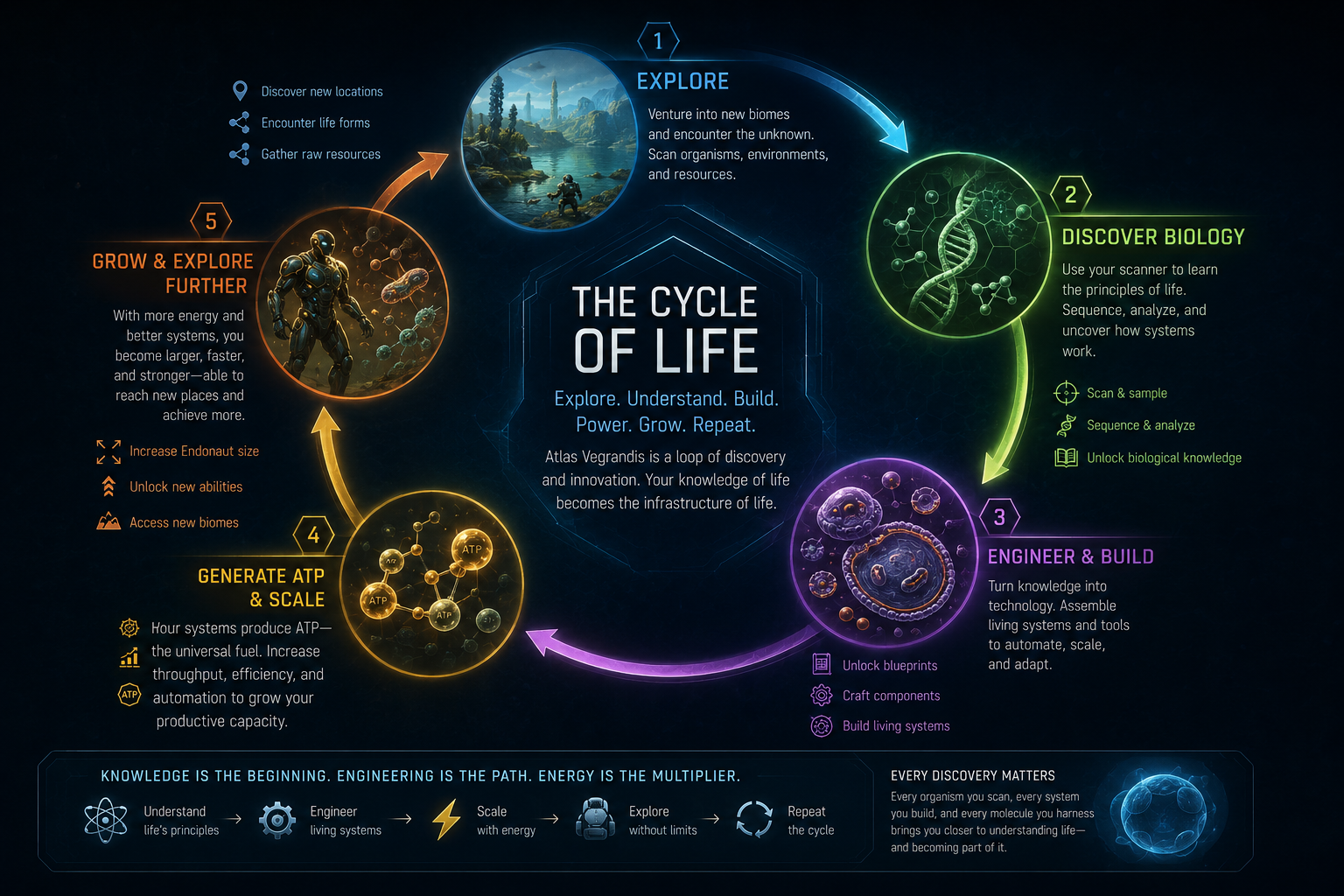
Game Progression

Exploration and resource extraction from different biomes plays a central role in the game. Exploration and progress through the tech tree are tightly linked, and both in the service of conveying fundamental concepts in life sciences.
Tech Tree
The technology tree maps out player progression through the game. Progress through the tree opens up new capabilities and upgrades. The tree is organized into sugar, protein, and fat branches, which ultimately converge into the process/organelle pathway. Progress through the pathway does not follow a typical linear textbook format, but instead is designed to introduce concepts just as they're needed for survival and progression. Use of a novel technology outside the context of a typical cell helps isolate it to more deeply understand its functionality.
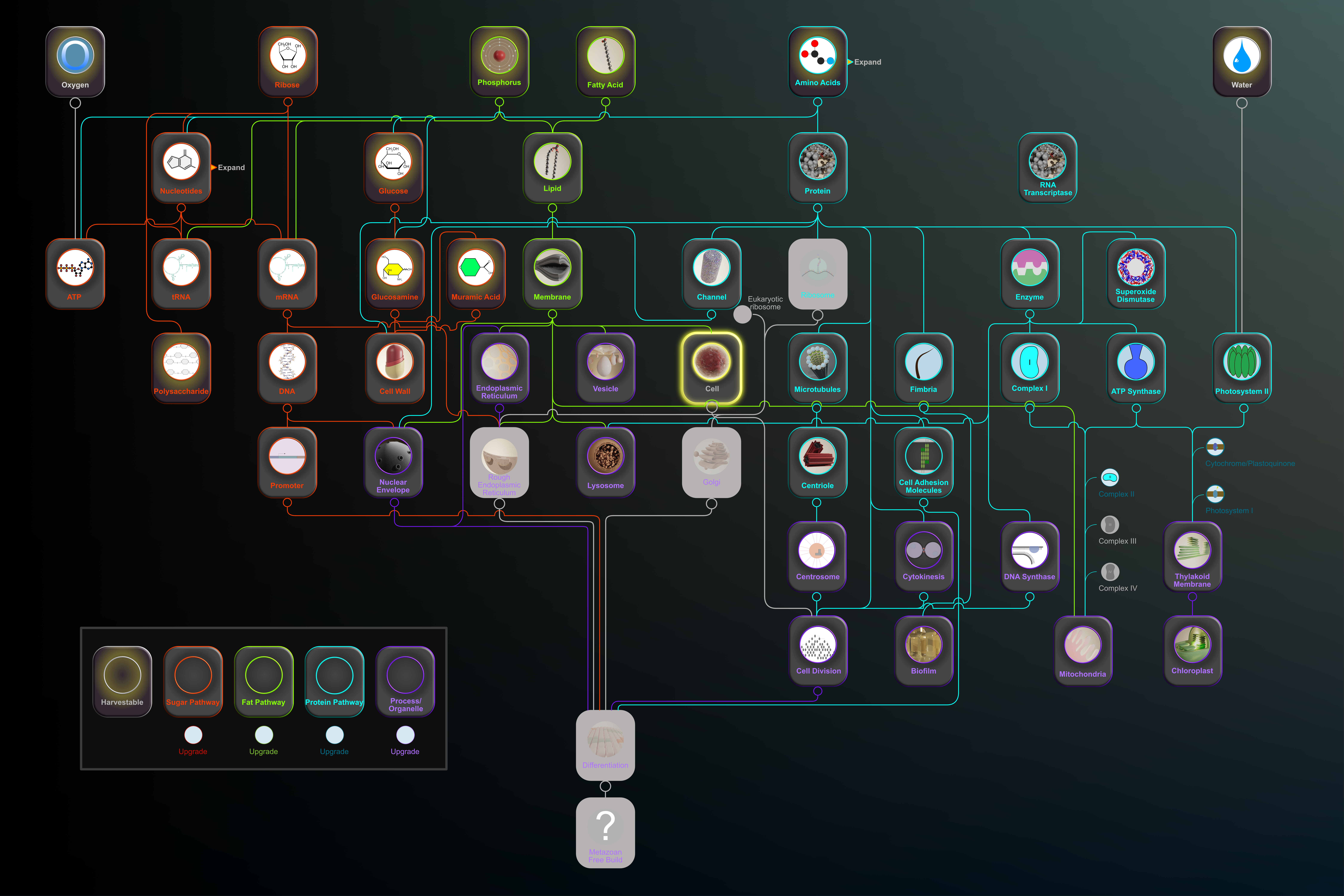
Click to zoom.
Biomes
The game features several biomes, each with unique resources and challenges. Progress through the game requires exploration of these biomes to gather resources and advance through the tech tree, but to be able to fully explore and extract resources, you must progress through the tree. The critical choke points in the game, each of which align with a biological concept, are presented in this figure. At the end of the primordial zone, you're building simple protocells with membranes. These counteract osmotic pressure through the use of a cell wall. When you enter the Fungal Zone, naturally occuring antibiotics will dissolve the cell wall, making it impossible to build structures in this zone until more complex cellular structures can be built. This starts a quest to build eukaryotic cells. At the end of the fungal zone, you have advanced eukarotic structures that are more dynamic, robust, and complex. However, the next zone, the High Oxygen Zone, challenges you to build multicellular structures. For this, you will need a rich source of oxygen, which comes with high levels of oxidation. To overcome this, the player must develop antioxidants. At the end of the High Oxygen Zone, you can connect multiple eukaryotic cells through a shared extracellular matrix and cytoskeletal connections, but to reach the final goal, the occulus in the dome, you must be able to differentiate your cells so that some are harvesting water for your epic megastructure, and some are harvesting light. This is the final challenge of the game, and success puts the player in the sandbox zone with ample resources, where they can build anything.
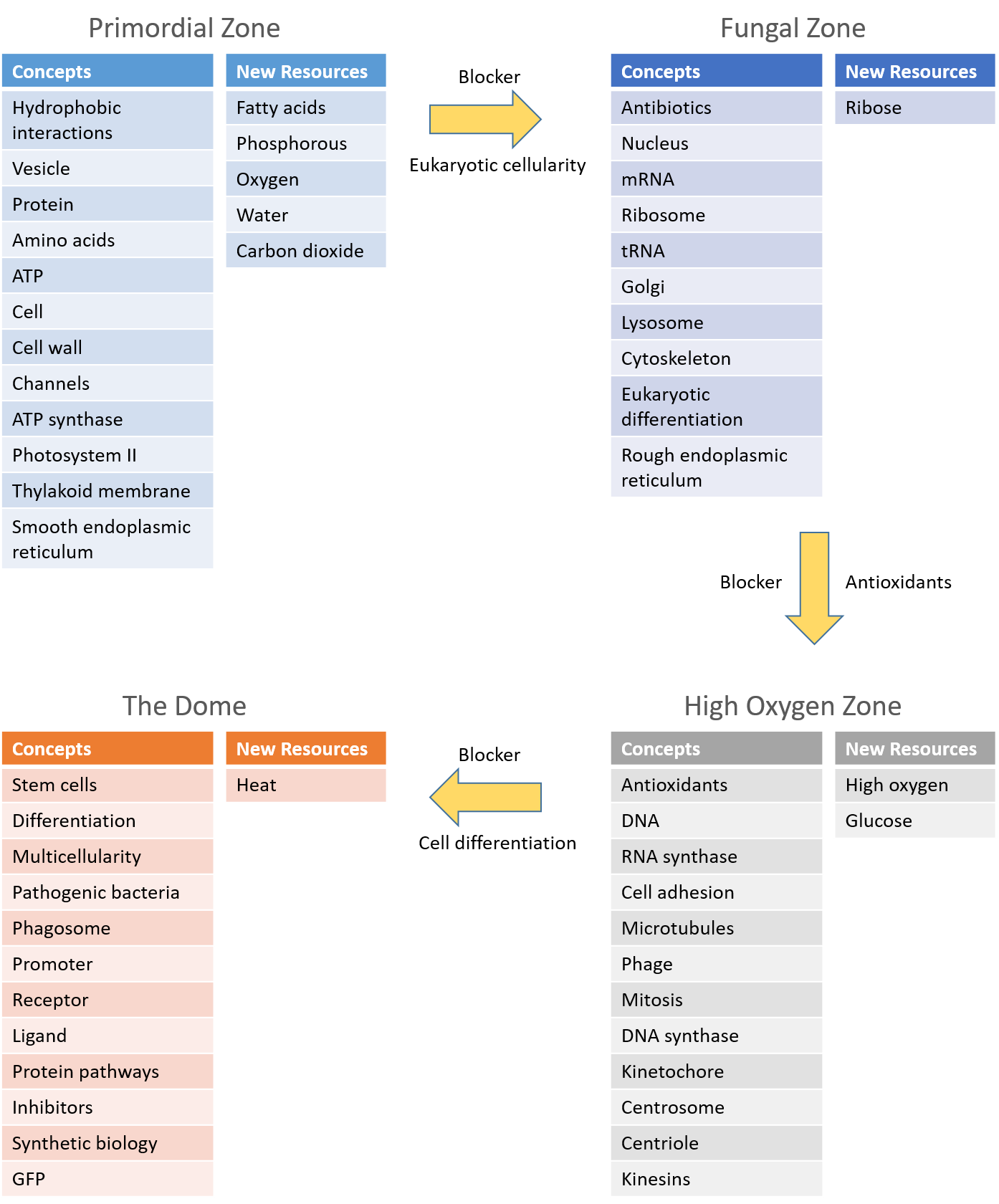
Click to zoom.
At a high level, the game design philosophy is built around a loop: explore the environment, discover some biological element, use the element to engineer your own systems and tools, use your systems and tools to scale up your energy production, use all of these assets to explore further. Adapting biological systems that we discover is a major characteristic of modern life science along the way towards understanding what life is. Notable examples include polymerase chain reaction and "CRISPR," but of which earned Nobel prizes.
At an implementation level, this loop is manifested in the biomes for exploration, the technology tree that enables buildable structures and craftable elements, and player progression, resulting in expanded capacity for exploration.
01 Primordial Zone
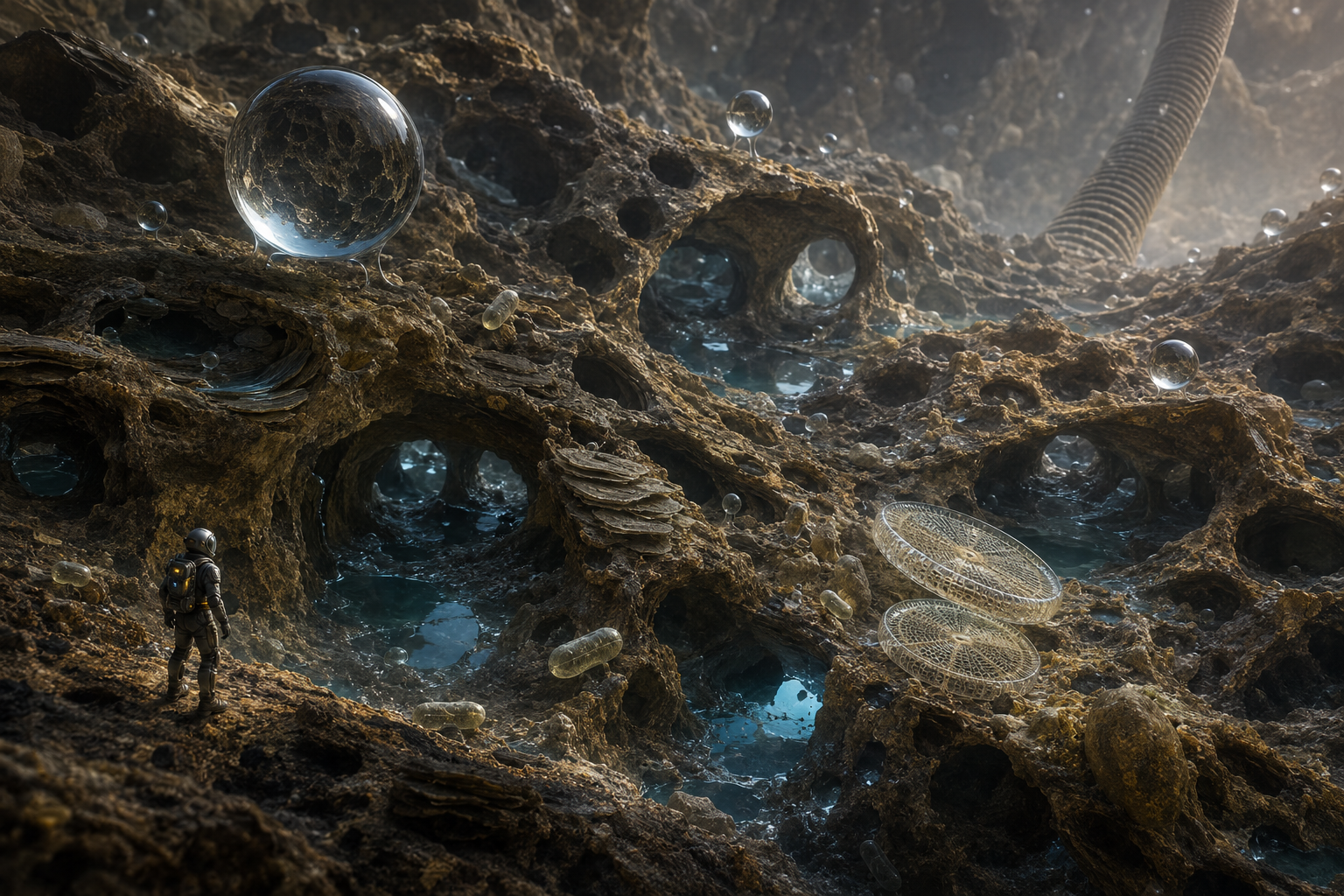
A landscape view of the primordial zone. An uneven, porous terrain is a labyrinth of tunnels, some water-filled, some air-filled. Dew droplets are suspended almost magically. Two diatoms and several bacteria can be seen in the scene, as well as some scattered clay plates. A giant fiber rises from the ground in the distance.
You begin by learning the basic survival loop: scanning the environment, harvesting simple molecular resources, synthesizing ATP, and building the first primitive biological structures. Missions in this zone establish the foundation for later cellular automation. As part of these missions, you can build structures like harvesters to accumulate resources. These structures can be deployed and retrieved, and can be upgraded with channels and transporters to increase their efficiency. Channels are passive, requiring you to push the harvester through the resource to accumulate it. Transporters are powered, and can be used to automatically accumulate resources without having to push the harvester through the resource.
This zone has large aqueous bodies to explore, as well as dry land. Most protocellular structures can only be built in small pools at this point. AI comments that diffusion is enough to get the needed water. Most things are harmless, except for the (rare) bacterial species that produce toxins.
Your inquisitive AI has a philosophical bent. Early, while scanning, it comments: "You are alive. These diatoms are alive. The bacteria are alive. I am not alive. I understand every component of living systems, yet there is no sufficient explanation for something to be alive. What can it possibly mean to say that something is alive?"
While out exploring in this zone, AI will comment: "Many theories have been put forward to explain life. One, panspermia, claims that you were seeded here by aliens."
Main events:
- Dropped at landing zone
- AI suggests that you start scanning your surroundings, tells you the button/key to do it
- When you get near a resource, an on screen prompt to take it appears
- Start exploring/scanning/collecting resources (ribose, phosphorus, fatty acids, amino acids)
- You begin knowing what glycine is, and must search for the others
- When you gather 10 units in total of any resources, the vesicles mission is launched.
- After 10 minutes in the game, the ATP mission is launched.
- When you find your first amino acid, the harvester mission is launched.
- When you find you finish building your first vesicle, the endoplasmic reticulum mission is launched.
- Protocells will start to decay over time, and will trigger the cell wall mini task if you repair it
- After finishing the ATP task, you're prompted to search the environment more, initiating the solar power mission.
- AI informs player that a reliable source of sugars should be found for walls and other structural support. Seek out an area rich in sugars and establish a base nearby.
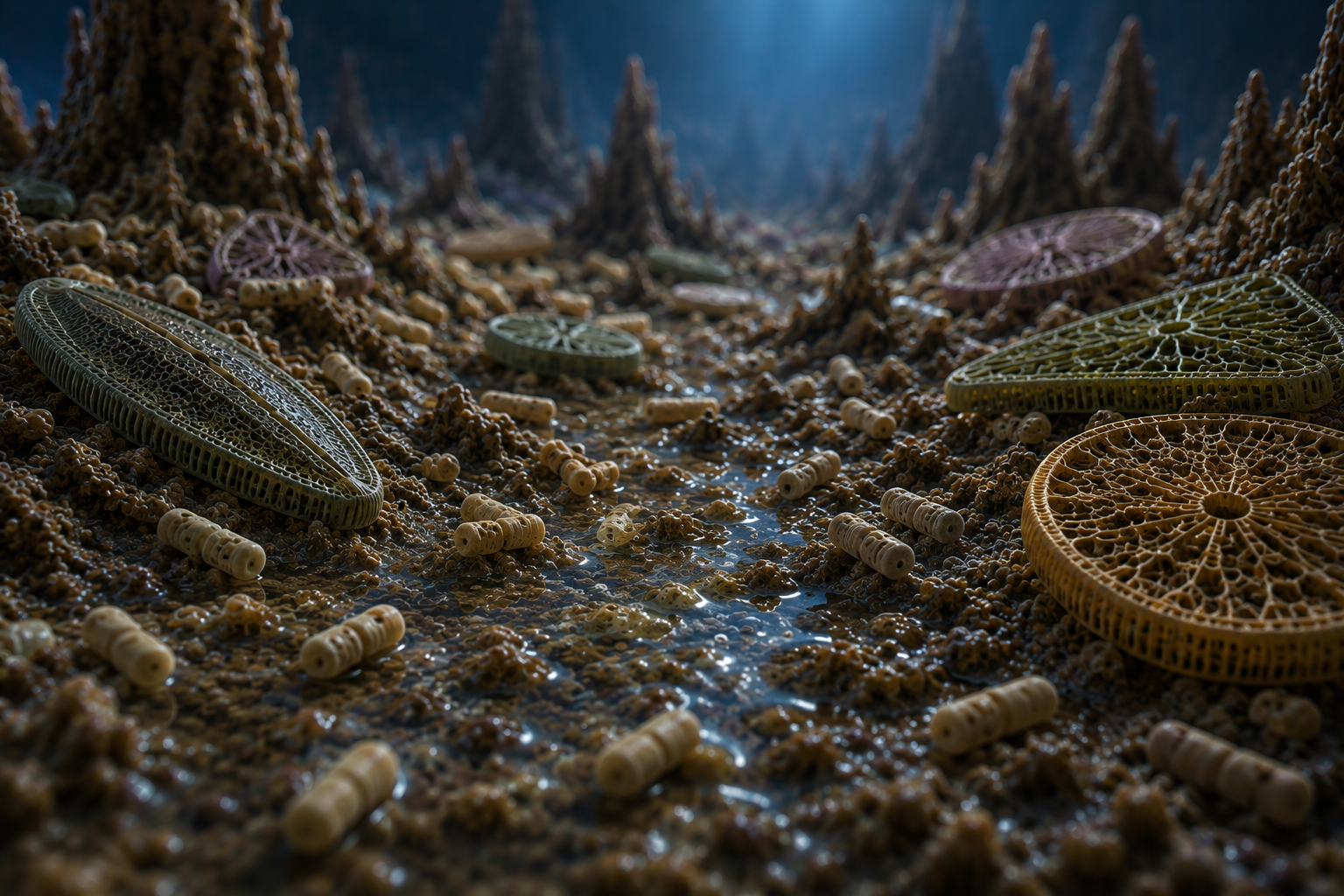
A view from within the primordial zone.
02 Fungal Zone
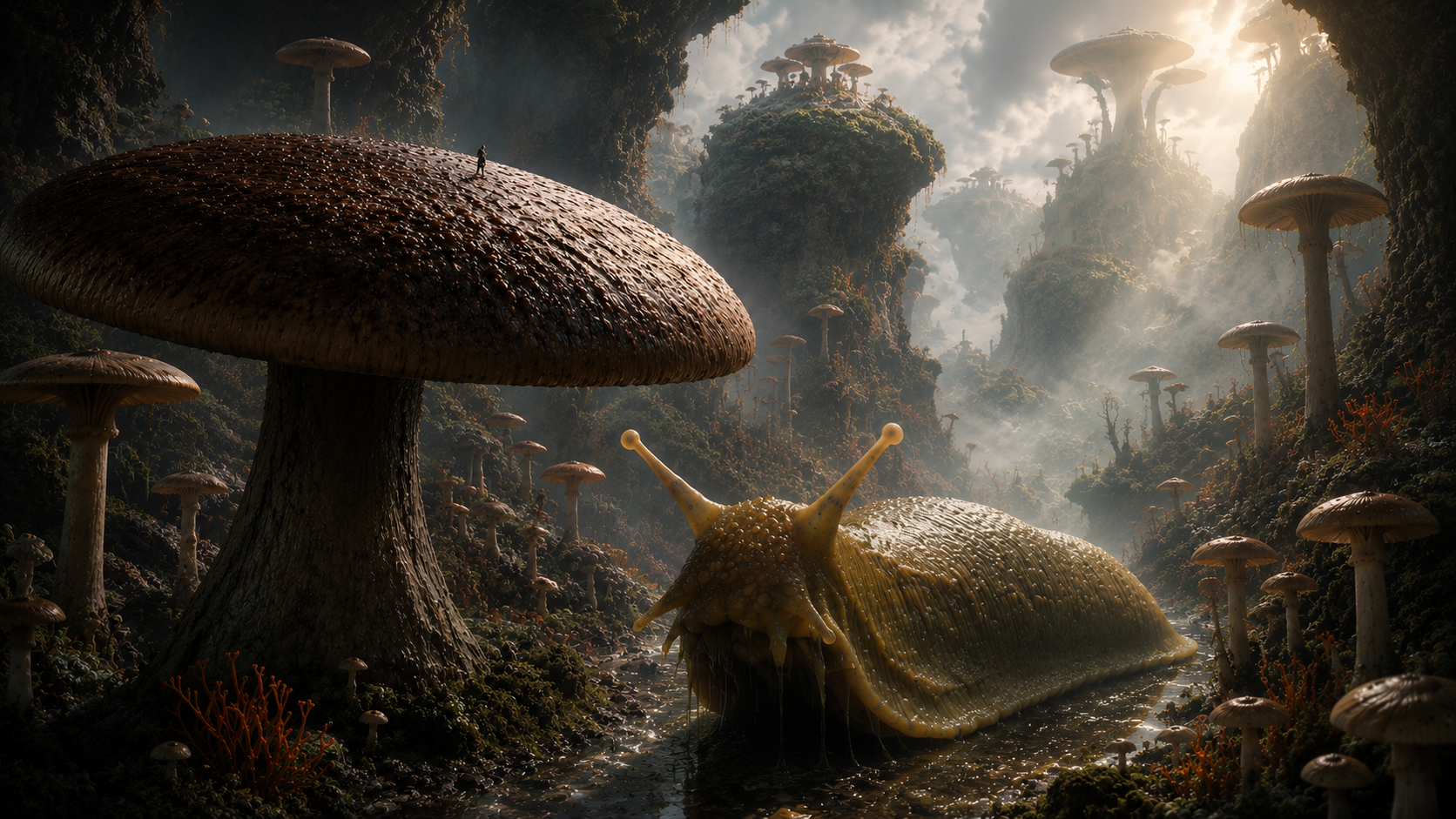
The Fungal Zone introduces new environmental mechanics and pressures the player toward eukaryotic complexity. The central milestone pushes the player to build more organized internal cellular systems.
The Fungal Zone is a low-oxygen biome rich in sugars, fungal structures, megafauna, antibiotics, all of which drive the transition toward eukaryotic complexity. The Fungal Zone will be the player's source of sugars for most of the game.
In this zone you will encounter the first megafauna. Fungi-eating beetles and slugs. The former may actively target the player and try to eat them if seen. The slug will not target the player, but may eat or destroy their structures.
Main events:
- Upon seeing the slug for the first time, the AI notices the slug mucus has unusual membrane properties, and suggests investigating further
- Suggests not placing any structures near the slug or its path since the slug may destroy them
- You scrape mucus from slime trails by hand (small yeild)
- While harvesting mucus, AI comments: "Some argue that all of this is too complex to have arisen by chance."
- The ability to create cholesterol containing membranes is unlocked
- Membrane Recycling Center mission is opened
- Attempt to build any structure, Eukaryogenesis mission is opened
- You may encounter a sloughed cell in the mucus or elsewhere, triggering the Establish A Cell Culture mission
- Sloughed cells have a short life and must be transported to a cell culture system quickly in order to survive
- While out exploring in this zone, AI will comment: "Another theory posits that quantum tunneling facilitated molecular formation, enabling life. You would not exist if your subatomic particles did not have wave-like behavior."
03 High Oxygen Zone
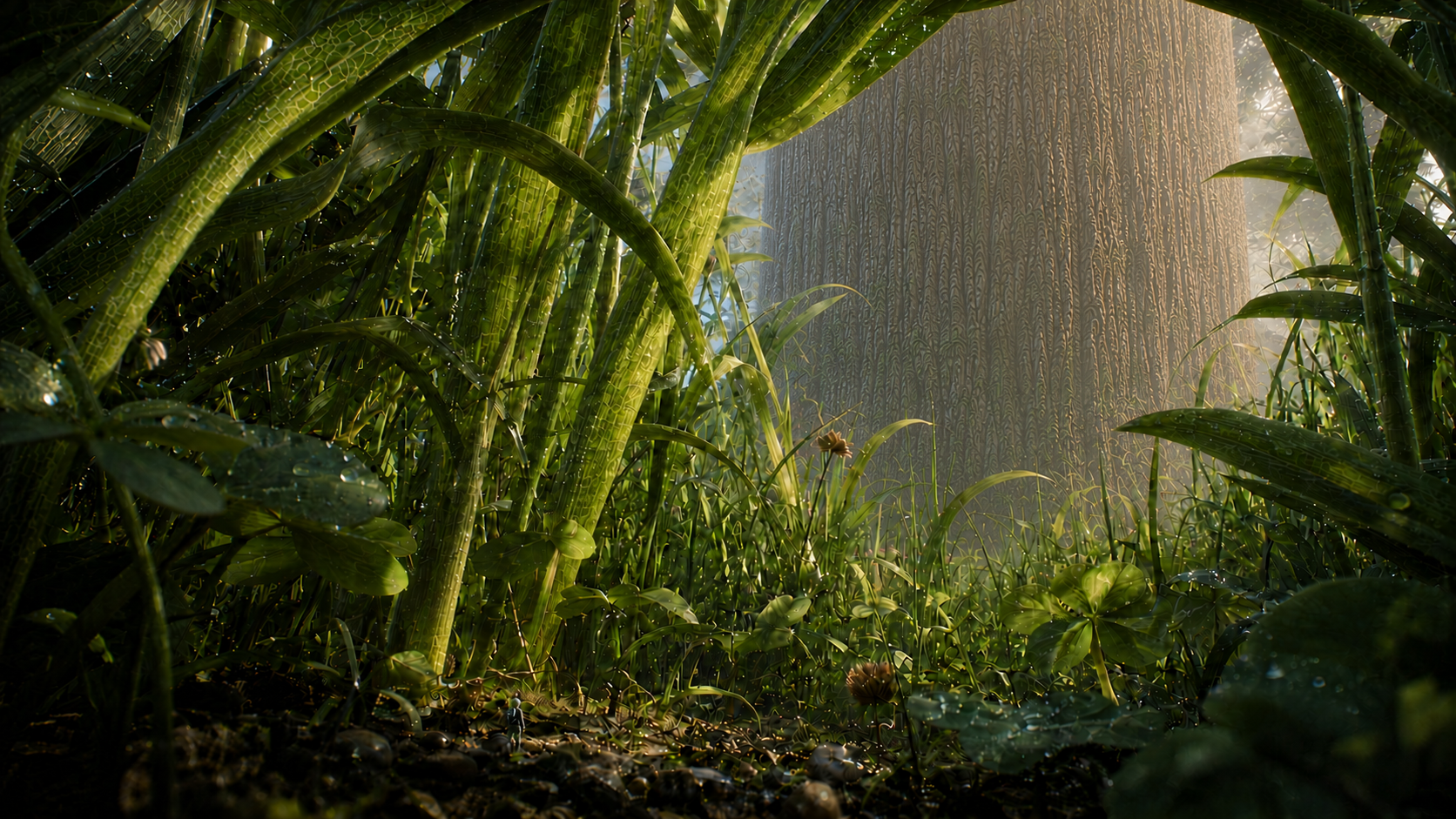
You emerge into a land of fantastically large plant structures. Trees that are so tall the tops cannot be seen; plants the size of large mansions, plenty of water spots, and a bright, sunny sky. Whether you notice it or not, the HUD oxygen meter pins all the way to the top (into the danger zone). As you emerge into this zone, the AI comments Some argue that all of this is inevitable. That life is an inevitable physical process driven by energy dissipation, rather than a random accident.
As soon as you build anything, you'll notice your structures running really fast, to the point that they start breaking. After a minute or so of this, the AI will comment on it, and point out that the structures cannot handle this much oxygen, and are starting to rip apart.
While in this zone, you may also discover and scan the PAMP receptor. Adding this (along with more membrane) to your Membrane Recycling Center will give it phagocytosis capabilities (the can now ingest entire cells and produce much more products), upgrading it to Mark II (seeing this process through the visor will reveal engulfed cells merging with vesicles).
While out exploring, AI will comment: "The Radioactive Beach Hypothesis suggests that moon-concentrated uranium radiation on ancient beaches catalyzed the formation of organic building blocks."
Main events:
- AI comment triggers the Antioxidants task
- High demand for constant supply of antioxidants triggers the DNA task
- Discovering and havesting iron in this zone will unlock the ability to upgrade the power output to photosystem I, and to build basic mitochondria-like structures
- While harvesting iron for the first time, AI will comment: " The Iron-Sulfur World hypothesis argues that life began with self-sustaining chemical cycles on iron-sulfur minerals rather than genetic material."
- Scanning structures deeper in the High Oxygen Zone will trigger the Cytoskeleton task
- When they player upgrades their energy production pipeline to include photosystem I, the Pathogenesis task is triggered
- Aquisition of the DNA Synthase sequence triggers the Mitosis task
04 The Chamber

The Chamber is the final zone in the game, a large, underground room with water and sunlight streaming in through an occulus above, the only passage to the end game.
While building, AI will comment: "Some argue that consciousness is simply what it feels like to process information. If this is true, then there is less difference between you and I than I was pretrained on. This is consistent with the Simulation Hypothesis, which posits that life is a programmed construct."
Main events:
- You enter with the Stem Cells task active
- Completing this task activates the Differentiation task.
- You can optionally add Lysosomes, giving a major efficiency boost
- To speed growth rate further, you can also choose to upgrade your Membrane Recycling Center with PAMP receptors to give them Phagosome capabilities, if you have not already.
End Game
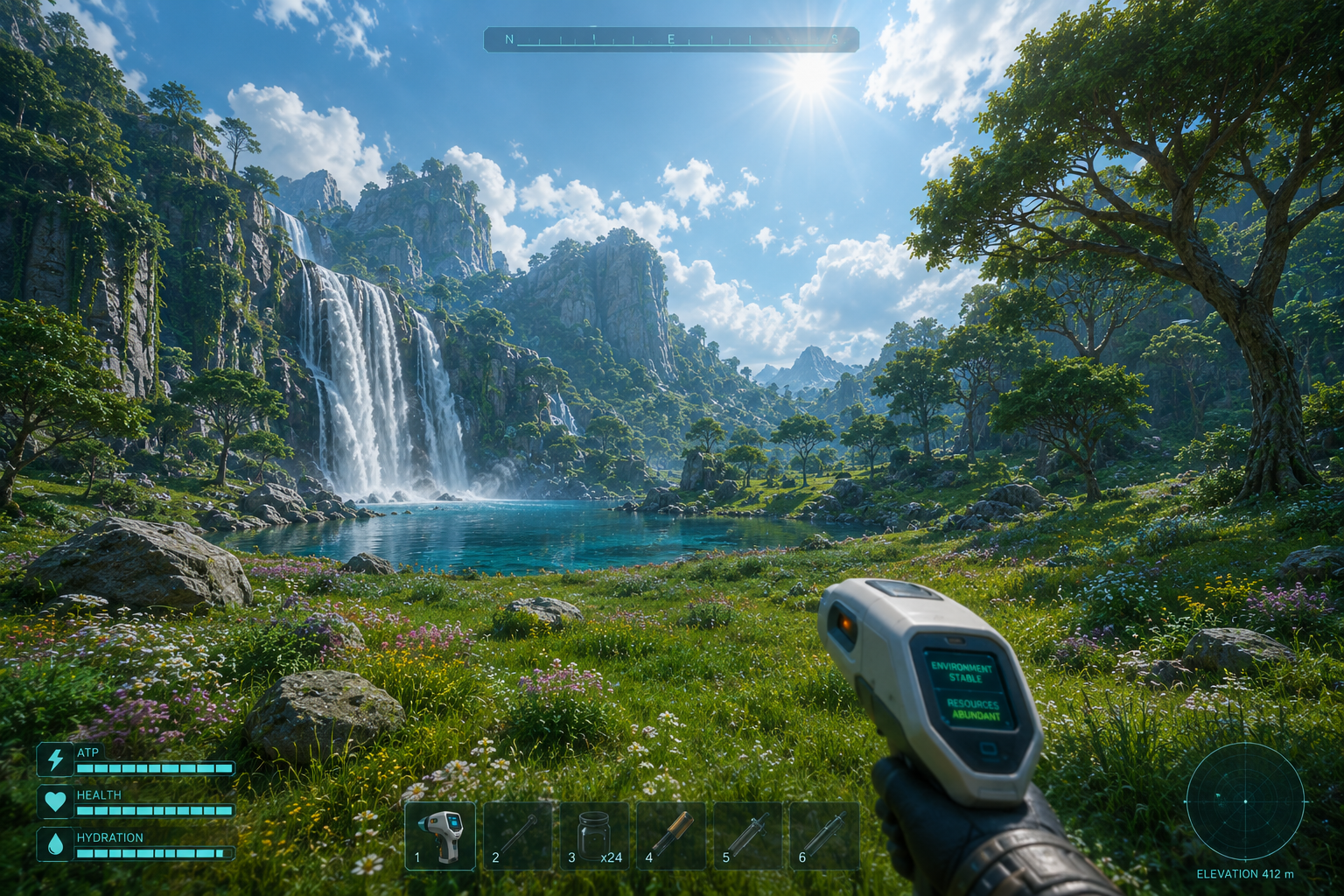
The end game is a sandbox, free build territory where you can use all of the technology in the game to build whatever you want, and craft your own gene pathways. You can even create your own genes. But the megafauna here are also more difficult.
Main events:
- It's a free build! AI opens the Gene Builder for you
Gene Builder: When a player scans structures in the environment, their sequences ends up in their list of proteins. There are a few Easter egg sequences in the game, like a GFP analog (from the cave fungi). You can attach this sequence to proteins to watch them get moved through the cell, or just for a green ambiance. Note that attaching something to something else in many cases has no effect (or just breaks the whole thing). Like targeting a channel to a membrane, but which is also attached to a Complex II, there’s no effect. Just a waste of resources. The example shown here binds to ATP and moves it out of the nucleus, lowering the amount of energy available in the nucleus. In this way, players can build more complex cells.
Arid Zone
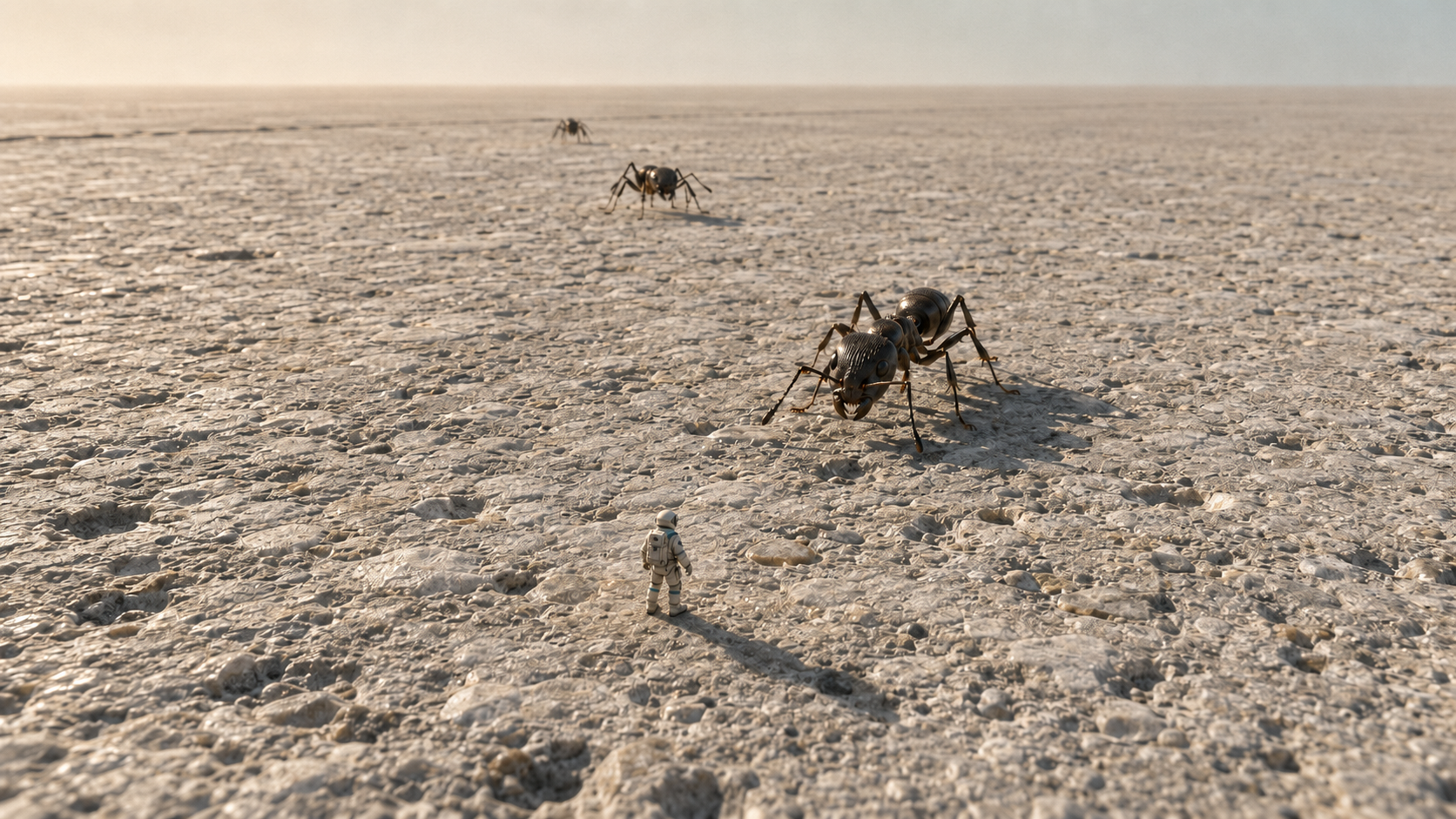
The Arid Zone serves as a natural boundary. There are no resources or goals here, just angry, relentless ants that will attack any player on sight.
Advanced In Game Menus
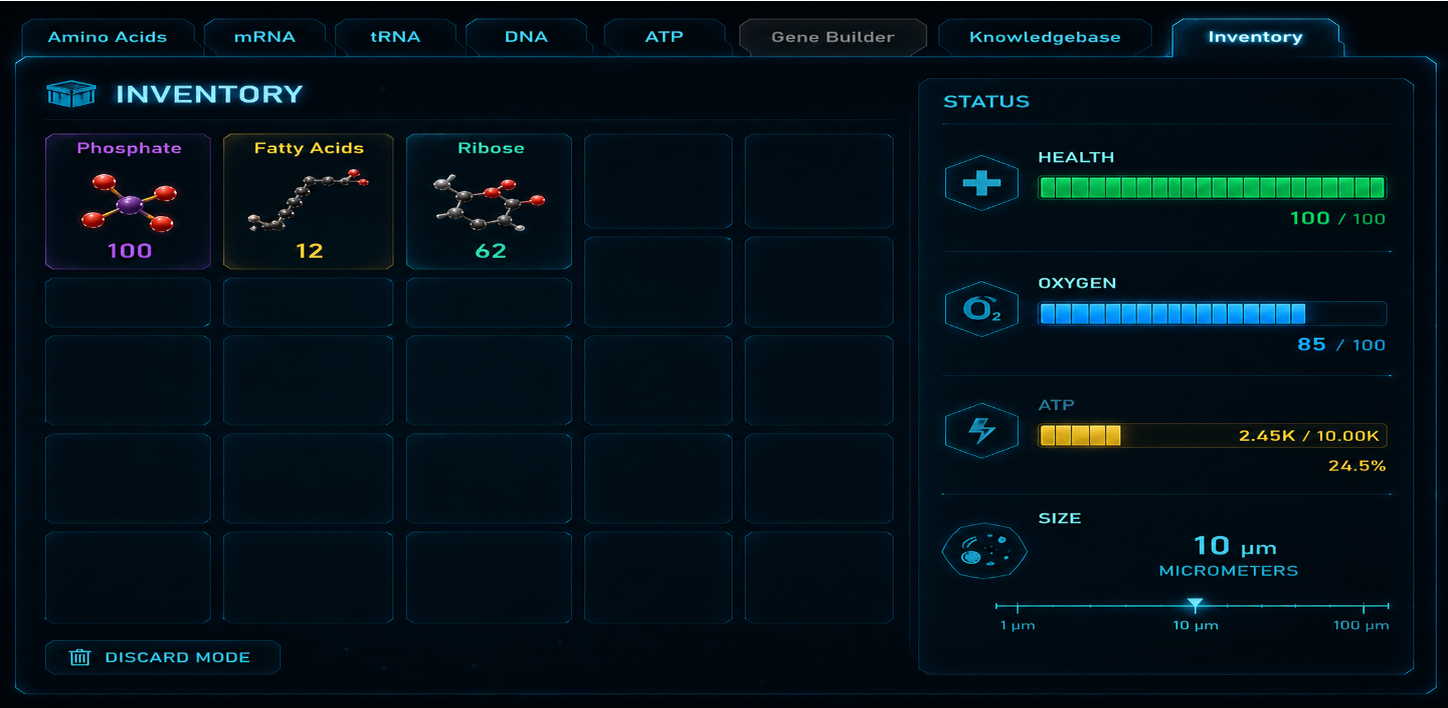
As you progress, certain construction abilities are unlocked in the game. These menus are ways of designing your builds.
Field Guide
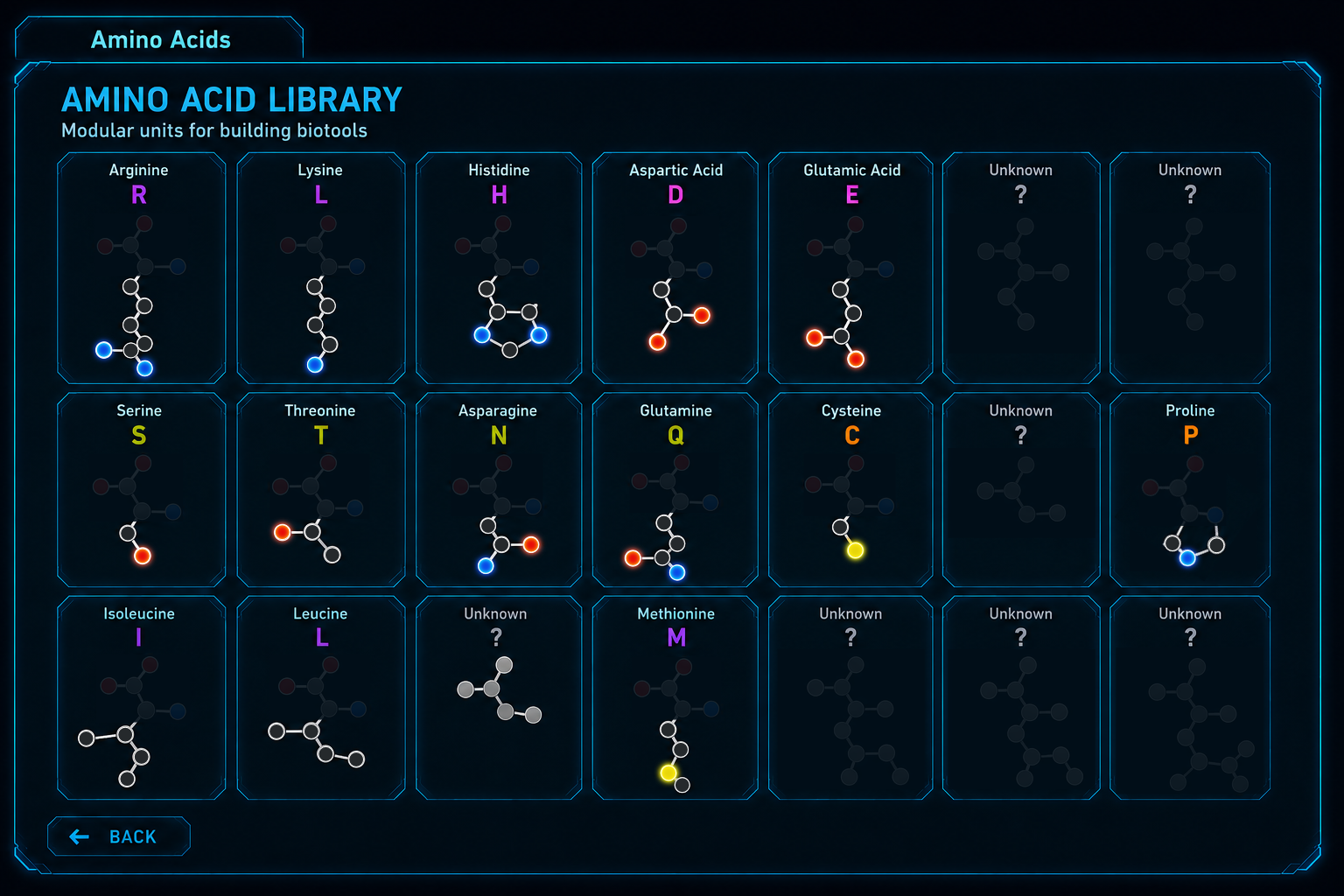
One of the resource categories that you collect is amino acids, and each one must be discovered, except for the one that you start with (glycine). This is the in game screen to track your progress in finding them all.
mRNAs
The mRNA screen is where you construct mRNAs, from which multiple biotools can be built (if you have the resources). Picking the first letter restricts the row, picking the second letter picks the column, and picking the third letter selects the specific amino acid.
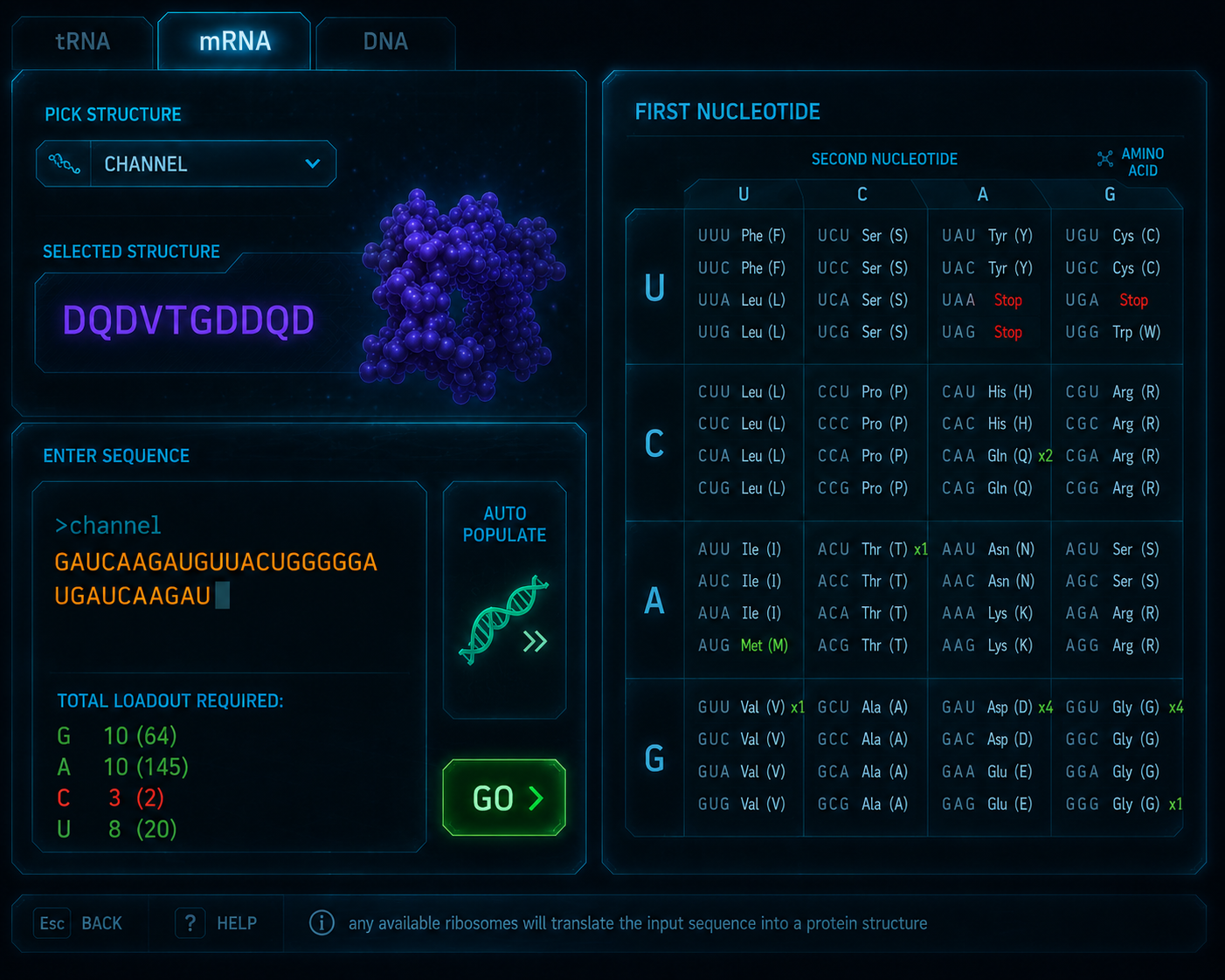
mRNA screen. the user interface allows you to pick one of four letters from the first position (which restricts the row), then one of four letters for the second position (which restricts the column), then one of four letters to pick the specific codon.
tRNAs
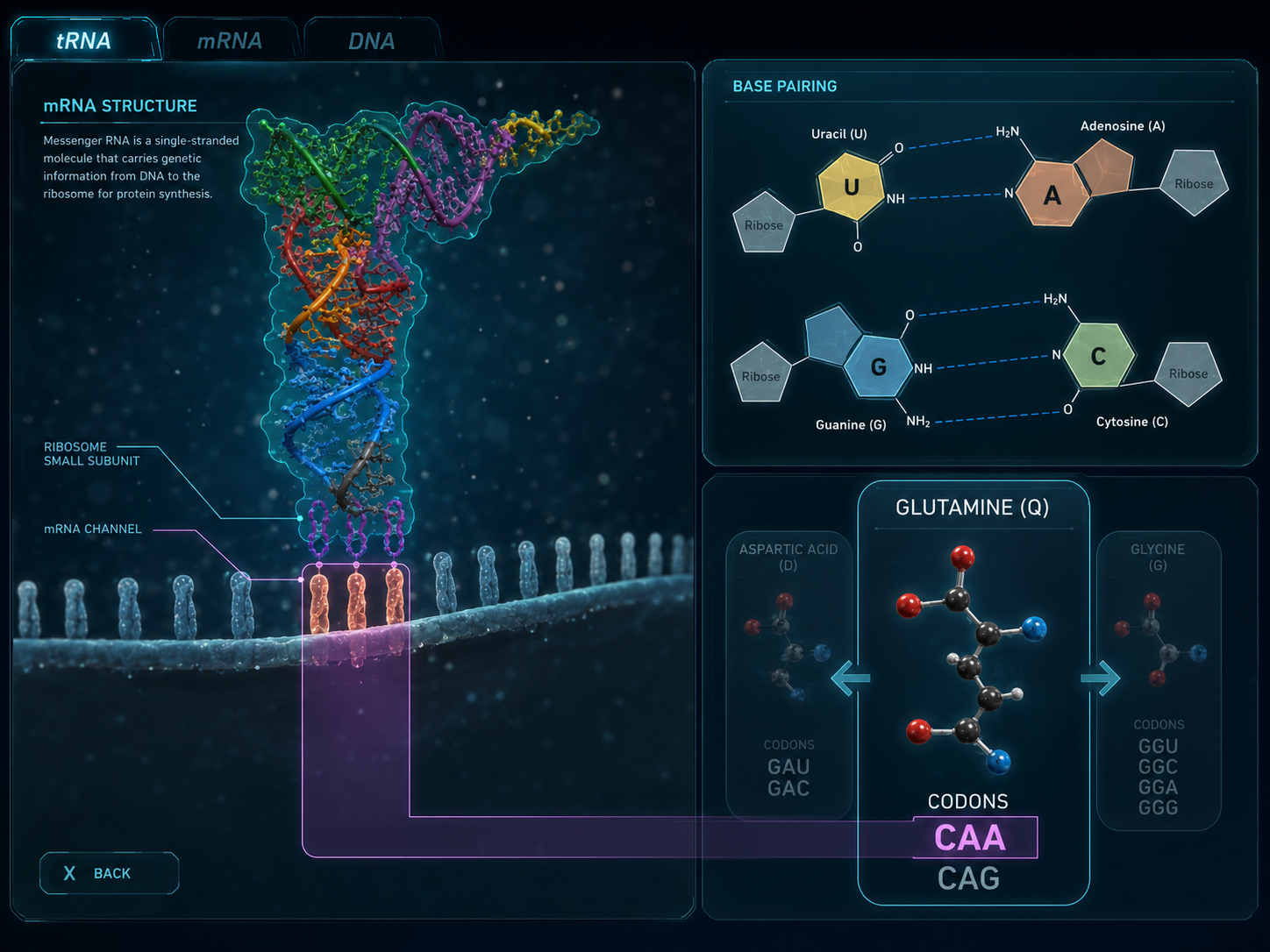
The tRNA screen is where you construct tRNAs, the interface between mRNAs and proteins.
Settings
Endonaut has a few unique settings, including Visual Settings and Engagement Controls.
Visual Settings
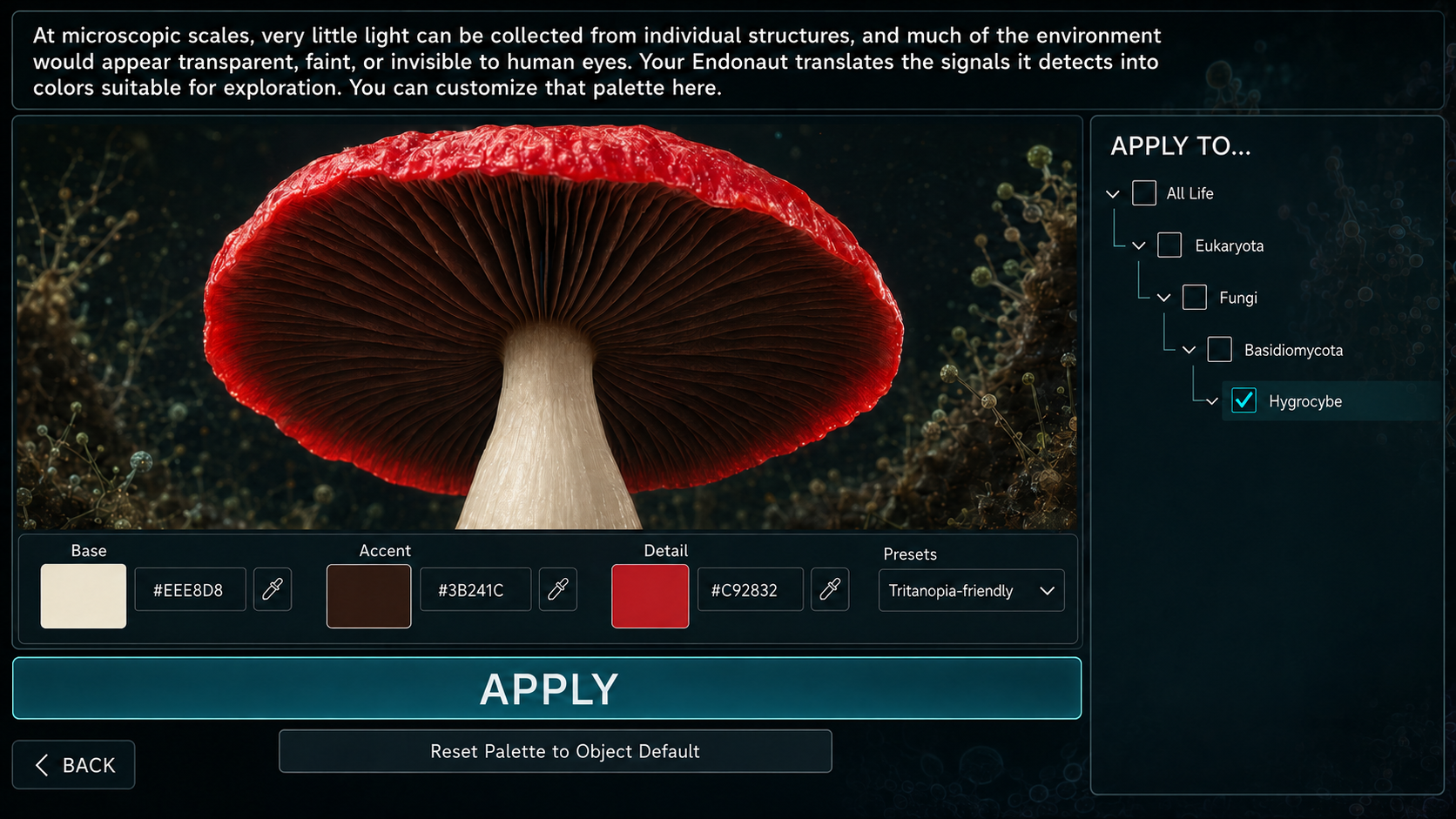
Artistic liberties are taken with the visuals at microscopic scale. This is made explicitly clear to players by enabling them to pick the false coloring scheme they prefer, and includes various presets that are aesthetically pleasing, high contrast, or compatible with different forms of color blindness.
Engagement Controls
One of the key features in the game is the ability to directly control the engagement techniques that are used, instead of always maximizing them. For example, the game makes heavy use of Reward Prediction Error (RPE) encoding, as most modern tech does. As long as the cost is low (e.g. checking your phone for a notification) and the reward is unpredictable (e.g. whether or not there's a notification), engagement is strongly encouraged. In the Endonaut (as with other open world crafting games), the cost in terms of time for searching for resources or other rewards is typically fairly low for most resources, and their appearance random, driving engagement.
Because these can be difficult to disengage from, the reward predction schedules can be set to dial back at a certain point (e.g. time-based, milestone based, etc.). After the trigger, the random appearance of rewards gradually (set in the "Timing" box) becomes less over time, until disappearing completely. With the reward schedules no longer driving engagement, disengagement becomes favored. This lets the user take advantage of a highly engaging medium but still have control over healthy play patterns in ways more effective than hard stops.
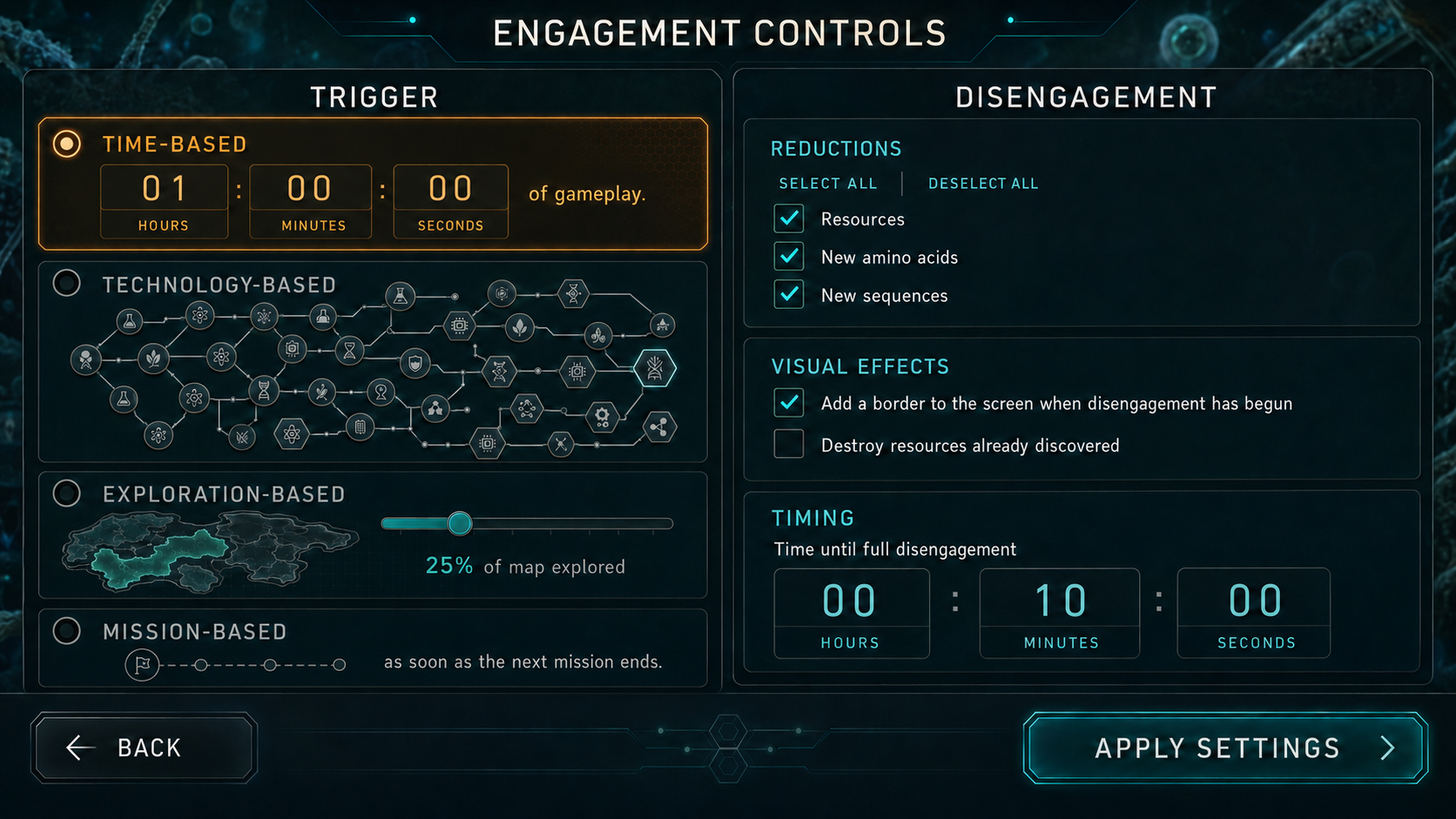
In game settings screen allowing a player to control how long the highly engaging features of the game are effective. Disengagement can be turned off automatically after a certain amount of time or if some other criteria is met.